The TURP Procedure
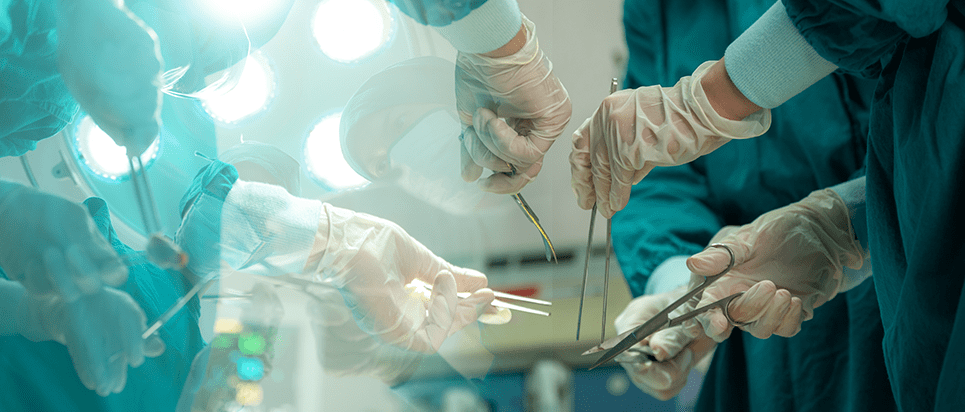
The TURP procedure is typically performed under spinal or general anesthesia. During the surgery, a resectoscope is inserted through the penis into the urethra to reach the prostate. The resectoscope contains a light, camera, and an electrical loop that cuts away excess prostate tissue. The surgeon removes the obstructive tissue piece by piece, and fluid is used to flush the bladder, clearing the area of the resected tissue. The procedure usually takes about 60 to 90 minutes. Post-surgery, a catheter is placed to drain the bladder and allow for healing.
Recovery and Postoperative Care
Recovery from TURP involves a hospital stay of one to two days, during which the patient is monitored for complications such as bleeding or infection. The catheter remains in place for a few days to ensure proper urine flow and to prevent blood clots from obstructing the bladder. Patients may experience discomfort, urinary urgency, and mild bleeding for several weeks. It is important to avoid heavy lifting, strenuous activity, and sexual activity during the initial recovery period. Follow-up appointments are necessary to monitor healing and to address any concerns that may arise.
Benefits and Risks of TURP
TURP offers significant benefits, including the relief of urinary symptoms and improved quality of life. Most patients experience a stronger urine stream and reduced frequency of urination. However, like any surgical procedure, TURP carries risks. Potential complications include bleeding, infection, and temporary difficulty urinating. In rare cases, patients may experience long-term issues such as erectile dysfunction, urinary incontinence, or retrograde ejaculation, where semen flows backward into the bladder. Discussing these risks with a healthcare provider is crucial in making an informed decision about the procedure.
Alternatives to TURP
While TURP is a highly effective treatment for BPH, there are alternative options available. Medications such as alpha-blockers and 5-alpha reductase inhibitors can help manage symptoms for some men. Minimally invasive treatments like laser therapy, microwave thermotherapy, and water vapor therapy are also available and may be suitable for patients who prefer less invasive options. Each alternative has its own set of benefits and risks, and the choice of treatment depends on the severity of symptoms, overall health, and patient preference. Consulting with a urologist can help determine the most appropriate course of action.