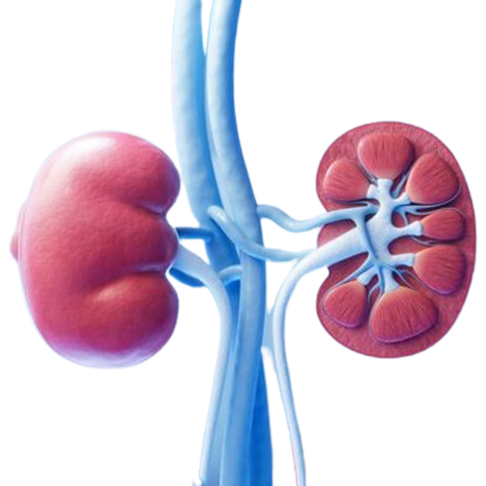
Advancements in Reconstructive Urology Reconstructive urology has seen significant advancements over the past few decades. One of the primary areas of development is in surgical techniques, which have become less invasive and more precise. Robotic-assisted surgeries have revolutionized the field, providing surgeons with enhanced dexterity and precision. Additionally, the use of 3D printing for creating patient-specific anatomical models has improved preoperative planning. Another notable advancement is the development of bioengineered tissues and organs, which hold the potential to replace damaged urinary tract components. These innovations collectively enhance patient outcomes and reduce recovery times.
Common Conditions Treated with Reconstructive Urology Reconstructive urology addresses a wide range of urological conditions that affect the urinary tract and male genital organs. One common condition is urethral stricture, a narrowing of the urethra that can impede urine flow. Pelvic organ prolapse, which affects the bladder, uterus, and rectum, is another condition often treated with reconstructive procedures. Additionally, congenital abnormalities like hypospadias, where the urethra opens on the underside of the penis, are corrected through reconstructive surgery.
Techniques in Reconstructive Urology Several advanced techniques are employed in reconstructive urology to repair and restore the urinary tract and genital organs. One such technique is urethroplasty, which involves reconstructing the urethra to treat strictures. Bladder augmentation, often performed using a segment of the intestine, increases bladder capacity and improves urinary function. Flap and graft procedures are used to repair tissue defects or replace missing tissue. Minimally invasive techniques, including laparoscopic and robotic surgeries, have gained popularity due to their reduced recovery times and lower risk of complications. The integration of tissue engineering and regenerative medicine is also emerging, aiming to grow new tissues for reconstructive purposes.
Challenges in Reconstructive Urology Despite the advancements, reconstructive urology faces several challenges. One major challenge is the complexity of surgeries, which require highly specialized skills and extensive training. Patient variability, including differences in anatomy and comorbidities, adds to the difficulty of achieving consistent outcomes. Another issue is the limited availability of donor tissues for reconstructive procedures, leading to reliance on synthetic or bioengineered alternatives. Postoperative complications, such as infections and strictures, remain concerns that can affect long-term success. Additionally, there is a need for ongoing research to improve techniques and develop new materials for reconstruction. Addressing these challenges is crucial for advancing the field and improving patient care.
Future Directions in Reconstructive Urology The future of reconstructive urology looks promising with several exciting developments on the horizon. Advances in regenerative medicine, including stem cell therapy, are expected to play a significant role in developing new treatment options. Researchers are exploring the potential of gene editing technologies, such as CRISPR, to correct congenital abnormalities at the genetic level. Improved imaging techniques, such as high-resolution MRI and CT scans, will enhance preoperative planning and surgical precision. The integration of artificial intelligence and machine learning in surgery is anticipated to further improve outcomes by providing real-time decision support. Collaboration between urologists, bioengineers, and researchers will be essential in driving these innovations forward and transforming patient care in reconstructive urology.