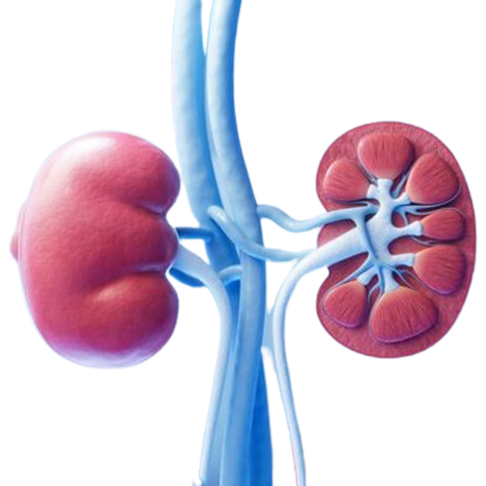
LASER Stone Surgeries: An Overview LASER (Light Amplification by Stimulated Emission of Radiation) stone surgeries have revolutionized the field of urology, providing a minimally invasive option for patients suffering from kidney stones. Unlike traditional methods, LASER technology uses focused light beams to precisely break down stones, offering numerous benefits such as reduced recovery time and minimized risk of complications. This modern approach to stone management has made it easier for patients to return to their daily activities faster and with less discomfort.
How LASER Stone Surgeries Work LASER stone surgeries employ a high-energy laser fiber, typically inserted through a small incision or natural body opening, to target and fragment kidney stones. The laser energy is directed precisely at the stone, breaking it into smaller pieces that can be easily passed through the urinary tract or removed. This method allows for greater precision and control compared to traditional mechanical tools, reducing the risk of damage to surrounding tissues. Additionally, the use of lasers can be tailored to the size and composition of the stones, making the procedure highly effective.
Benefits of LASER Stone Surgeries One of the primary advantages of LASER stone surgeries is the minimally invasive nature of the procedure. Patients experience less pain, shorter hospital stays, and quicker recovery times compared to more invasive surgical methods. Furthermore, the precision of laser technology reduces the risk of injury to surrounding tissues and organs. The ability to precisely control the laser also allows for the treatment of stones of varying sizes and hardness, making it a versatile option for many patients. Overall, the enhanced safety and effectiveness of LASER stone surgeries contribute to improved patient outcomes.
Who Can Benefit from LASER Stone Surgeries? LASER stone surgeries are suitable for a wide range of patients, particularly those who have kidney stones that are resistant to other treatments or are located in difficult-to-reach areas. Patients with stones that are too large to pass naturally or those experiencing severe symptoms such as pain and infection may also be ideal candidates. Moreover, individuals who prefer a minimally invasive procedure with a faster recovery period are likely to benefit from this technology. However, a thorough medical evaluation is necessary to determine the suitability of LASER stone surgery for each patient.
Potential Risks and Considerations While LASER stone surgeries are generally safe, they are not without potential risks and considerations. Complications, though rare, can include bleeding, infection, and injury to the urinary tract. Patients with certain medical conditions or those on specific medications may face additional risks. It is crucial for patients to discuss their medical history and any concerns with their healthcare provider before undergoing the procedure. Despite these risks, the overall success rate and patient satisfaction with LASER stone surgeries remain high, making them a valuable option for many individuals suffering from kidney stones.