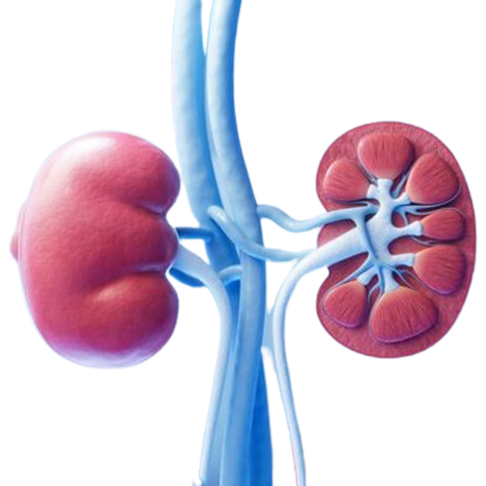
Introduction to Female Urology Female urology is a specialized branch of urology focusing on the diagnosis and treatment of urinary tract conditions unique to women. These conditions often involve the urinary bladder, urethra, and pelvic floor. With advancements in medical research, female urology has developed distinct methodologies to address issues such as urinary incontinence, recurrent urinary tract infections, and pelvic organ prolapse. Understanding these conditions and their treatments is crucial for improving women’s health and quality of life.
Common Conditions in Female Urology Women can experience a variety of urological issues that differ from men due to anatomical and physiological differences. The most prevalent conditions include urinary incontinence, which affects millions of women worldwide, and recurrent urinary tract infections (UTIs), which are more common in women due to the shorter urethra. Other significant conditions include interstitial cystitis, a chronic bladder condition causing pain and frequent urination, and pelvic organ prolapse, where pelvic organs like the bladder drop from their normal position.
Diagnosis and Testing Accurate diagnosis in female urology is essential for effective treatment. Diagnostic procedures often include urinalysis, which helps detect infections or blood in the urine, and urodynamic tests that measure the bladder’s function and efficiency. Cystoscopy, an endoscopic procedure to examine the bladder’s interior, is another common diagnostic tool. Imaging studies, such as ultrasound and MRI, can provide detailed views of the urinary tract and pelvic organs, aiding in the detection of structural abnormalities or masses.
Treatment Options Treatment options in female urology vary based on the specific condition and its severity. For urinary incontinence, non-surgical treatments like pelvic floor exercises, lifestyle changes, and medications are often first-line therapies. Surgical interventions, such as sling procedures, may be necessary for more severe cases. Recurrent UTIs are typically managed with antibiotics, but preventative strategies, including proper hydration and hygiene practices, are also important. Interstitial cystitis management may involve dietary changes, bladder instillations, and medications to reduce pain and inflammation.
Advances in Female Urology Recent advancements in female urology have significantly improved diagnosis and treatment outcomes. Minimally invasive surgical techniques, such as laparoscopic and robotic-assisted surgeries, have reduced recovery times and improved precision in treating pelvic organ prolapse and other conditions. Innovations in urodynamic testing and imaging have enhanced diagnostic accuracy. Additionally, ongoing research into the microbiome’s role in urinary tract health holds promise for developing more effective prevention and treatment strategies for recurrent UTIs and other urological conditions.
Importance of Specialized Care Specialized care in female urology is vital due to the unique challenges and conditions faced by women. Urologists with expertise in female urology are better equipped to address these issues with tailored diagnostic and treatment approaches. Women experiencing urological symptoms should seek care from specialists to ensure comprehensive evaluation and management. Early intervention and appropriate treatment can prevent complications, improve quality of life, and enhance overall well-being for women with urological conditions.