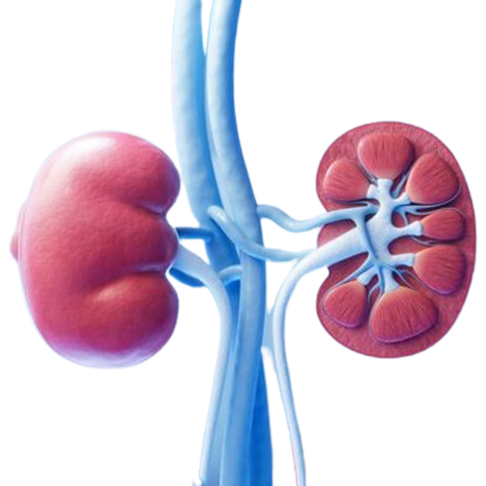
RIRS, or Retrograde Intra-Renal Surgery, stands at the forefront of minimally invasive surgical techniques, offering a revolutionary approach to treating kidney stones and other renal conditions. Leveraging advanced endoscopic technology and precision instruments, RIRS has transformed the landscape of urological interventions, providing patients with safer, more effective alternatives to traditional open surgeries. Here, we delve into the key aspects of RIRS, exploring its methodology, advantages, challenges, and future prospects.
Precise Navigation: RIRS involves navigating through the urinary tract to reach the kidney, typically through the urethra, bladder, and ureter. Advanced imaging modalities, such as fluoroscopy and ultrasound, aid in guiding the endoscope to the target location with utmost precision. This precise navigation minimizes the risk of damage to surrounding tissues and ensures accurate stone targeting.
Minimized Trauma: Unlike conventional open surgeries, RIRS is characterized by its minimally invasive nature, resulting in significantly reduced trauma to the patient’s body. By accessing the kidney through natural orifices, such as the urethra, RIRS eliminates the need for large incisions, leading to shorter recovery times, decreased post-operative pain, and lower risk of complications such as infection and bleeding.
Stone Fragmentation: One of the key advantages of RIRS is its ability to effectively fragment and remove kidney stones of varying sizes and compositions. Utilizing laser lithotripsy, the surgeon can precisely break down stones into smaller fragments, facilitating their extraction through the endoscope. This comprehensive stone clearance reduces the likelihood of stone recurrence and ensures optimal renal function restoration.
Minimal Scarring: Patients undergoing RIRS experience minimal scarring compared to traditional open surgeries, as the procedure typically leaves no external incisions. This not only contributes to improved cosmetic outcomes but also enhances patient satisfaction and psychological well-being. The absence of visible scars allows individuals to resume their daily activities with confidence and minimal disruption
As RIRS continues to evolve with advancements in technology and surgical techniques, its role in the management of renal disorders is poised to expand further. By combining precision, efficacy, and patient-centered care, RIRS exemplifies the paradigm shift towards minimally invasive approaches in modern surgical practice.